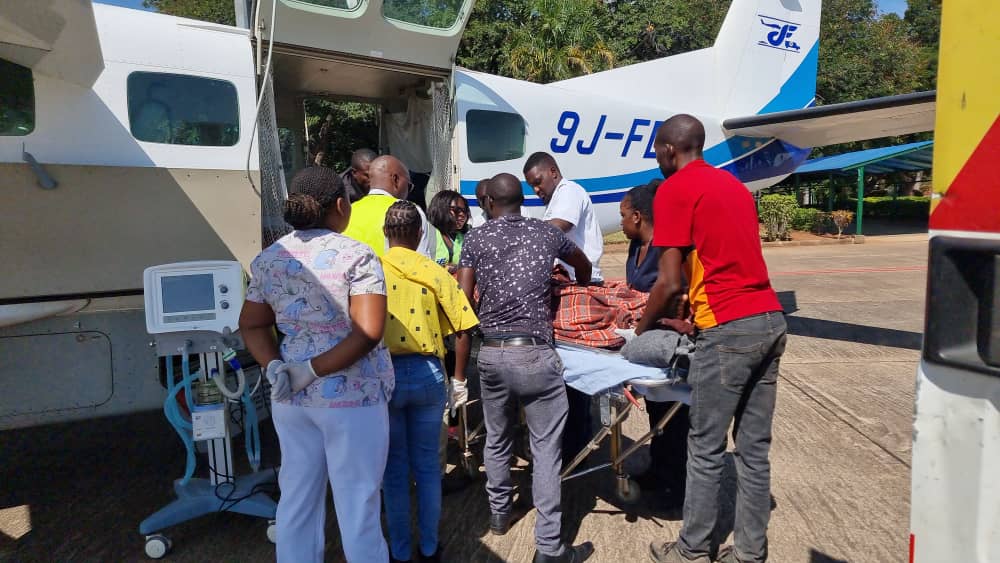
Aero-Medical Services
We Offer Professional AeroMedical Services to the Rural and Hard to Reach Areas
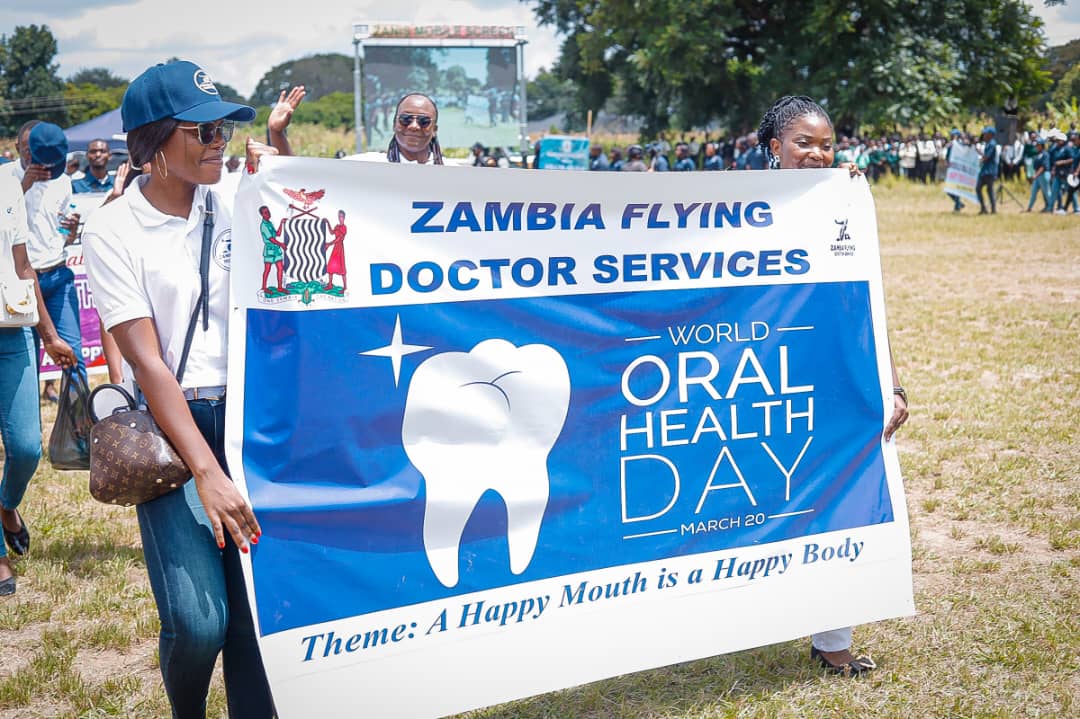
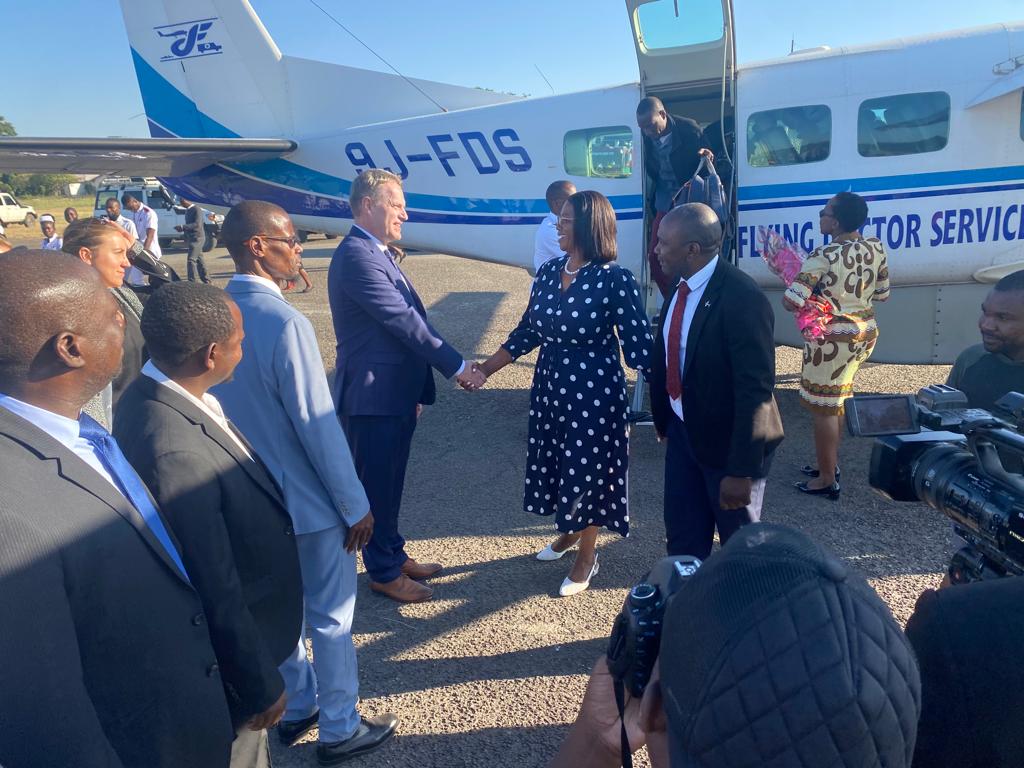
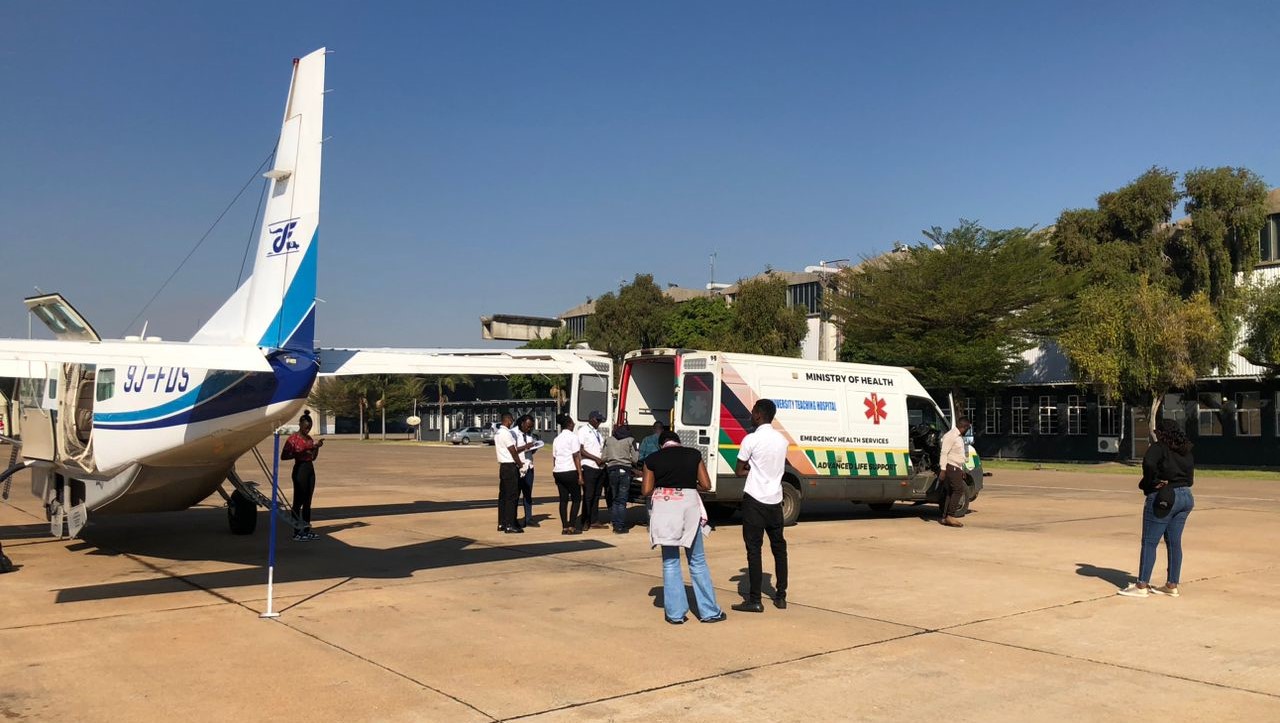
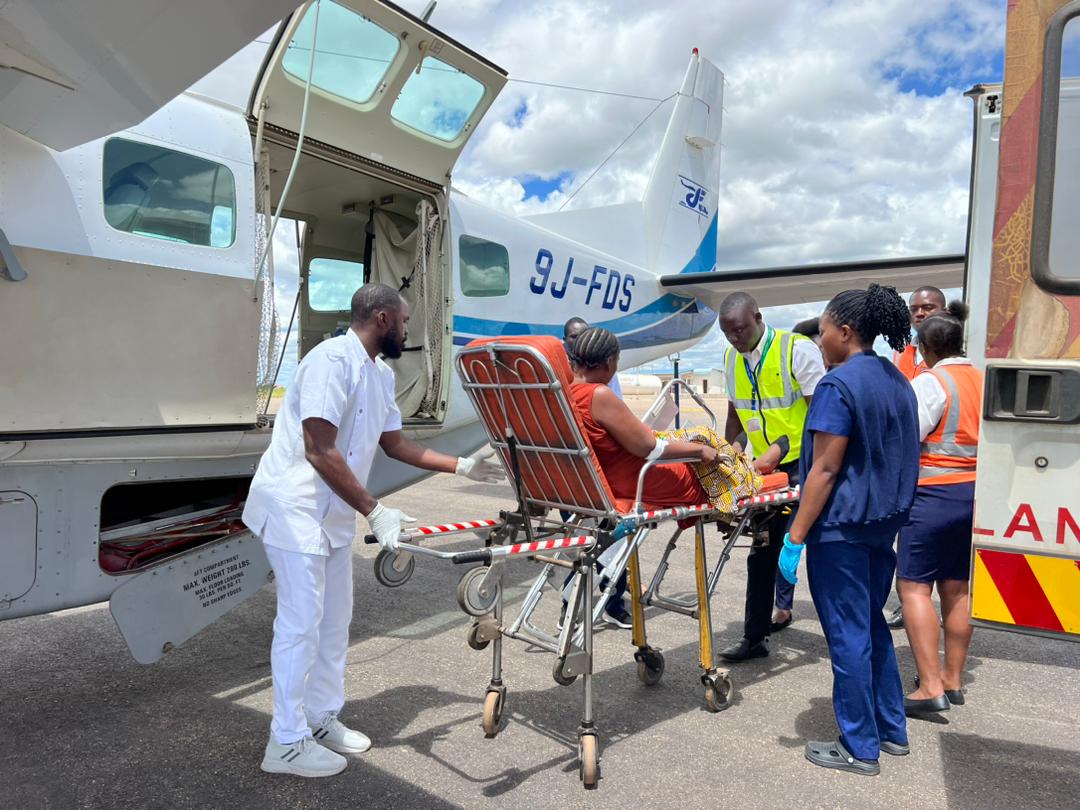
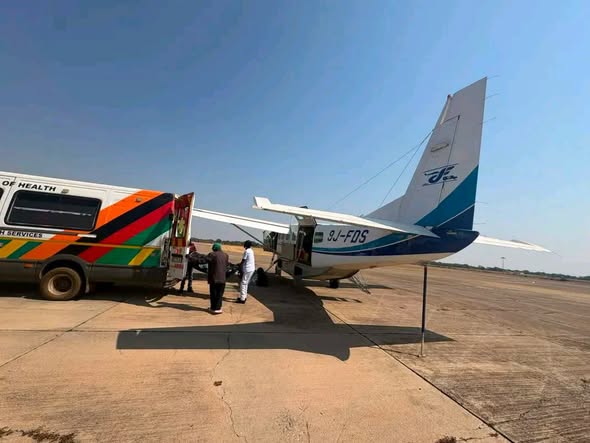
Medical Evacuations
Find Relief with Our Medical Evacuations Conducted by Our Highly Trained Medical Personnel
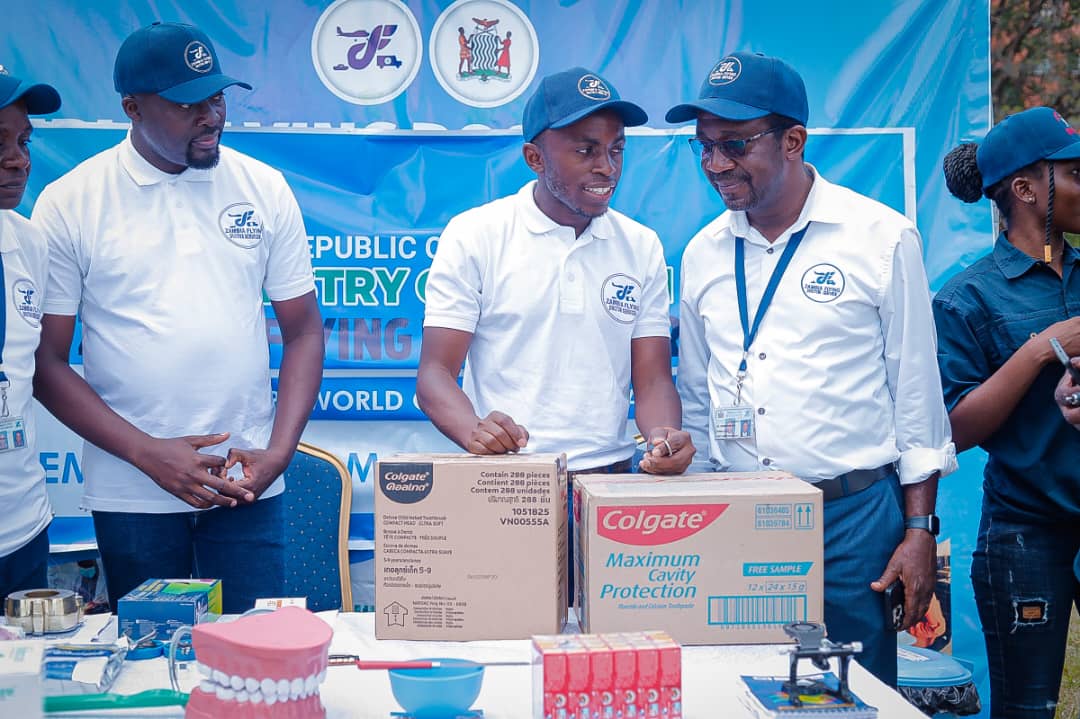
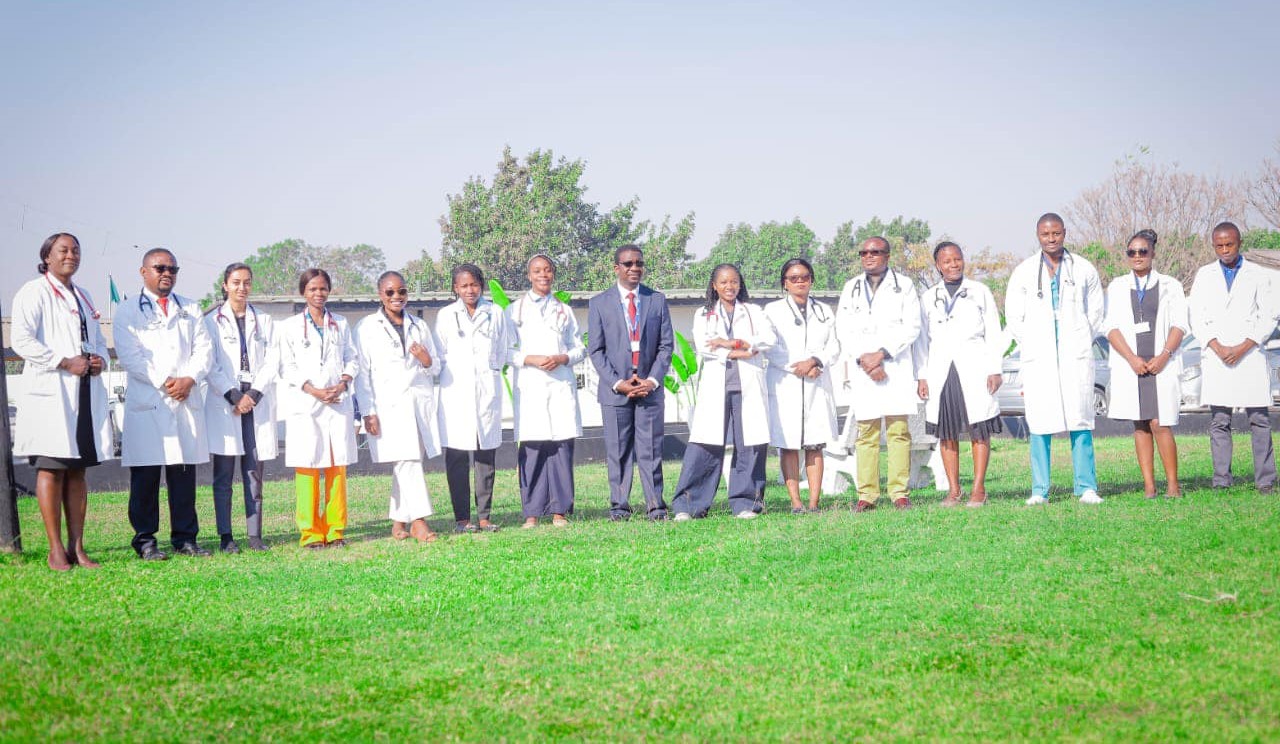
Our Team
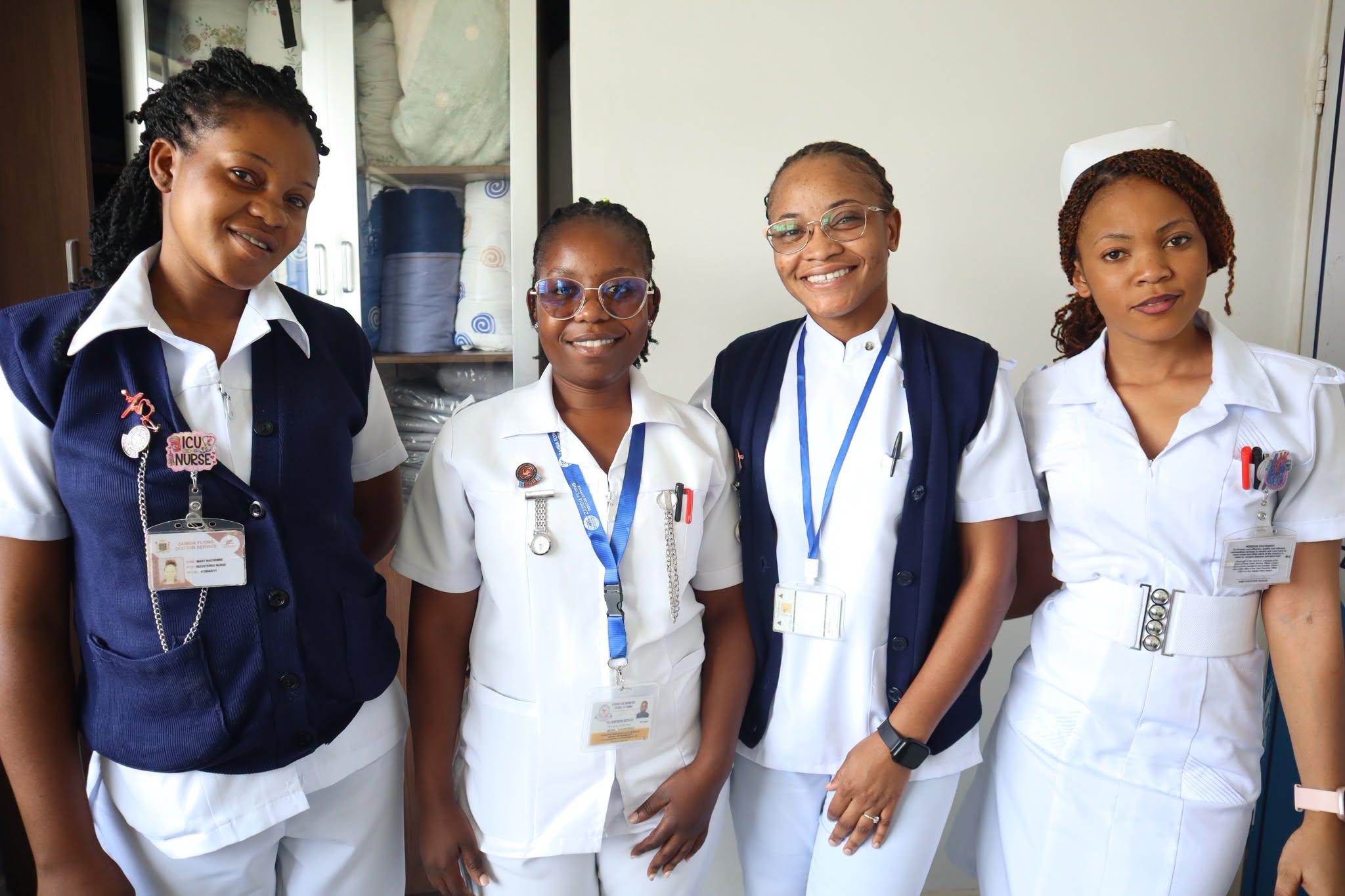
Meet the Professionals, Our Hard Working and Dedicated Team is Always Ready to Offer Medical Care
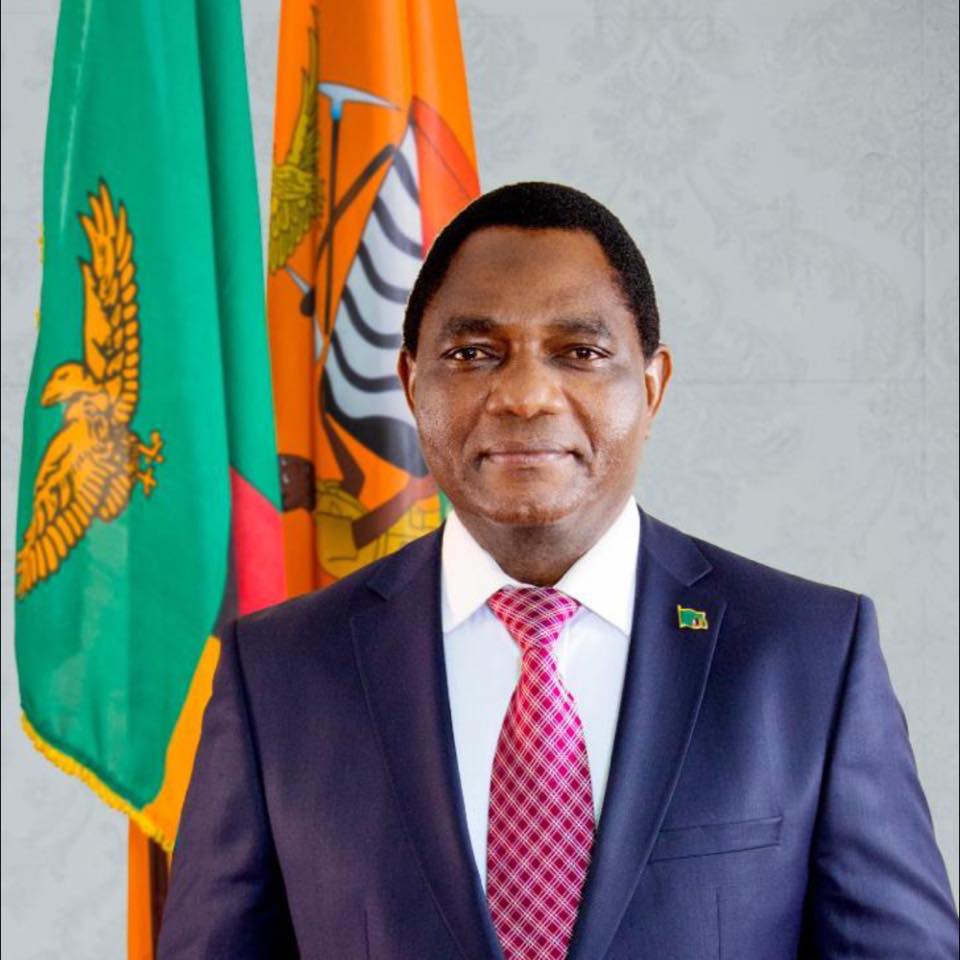
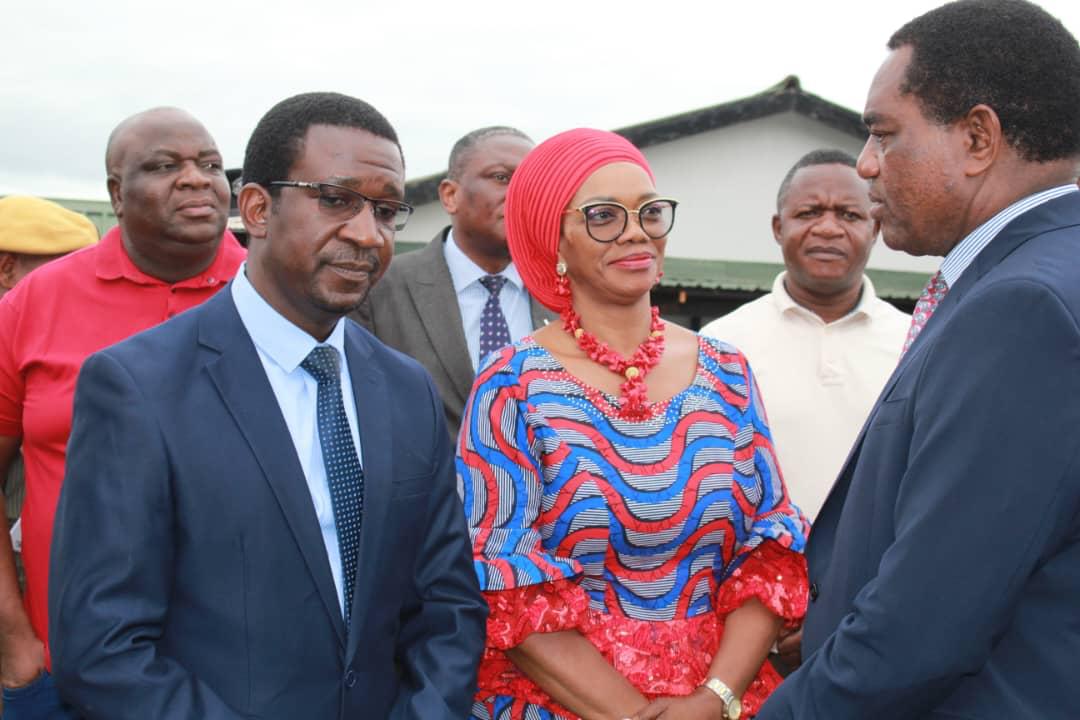
Mr President Hakainde Hichilema
Republican President
Fellow Citizens, health is key to attaining a healthy and productive population. Health is not only a social determinant but an economic commodity to enhance human development. There are, however, inequalities in health service delivery, especially between rural and urban areas. This calls for institutional and systems strengthening to ensure health security for the nation. Our administration will enhance healthcare financing to improve the quality of health service delivery. We will also ensure that rural and urban communities are involved in the planning and delivery of health services as closer to our people as possible.
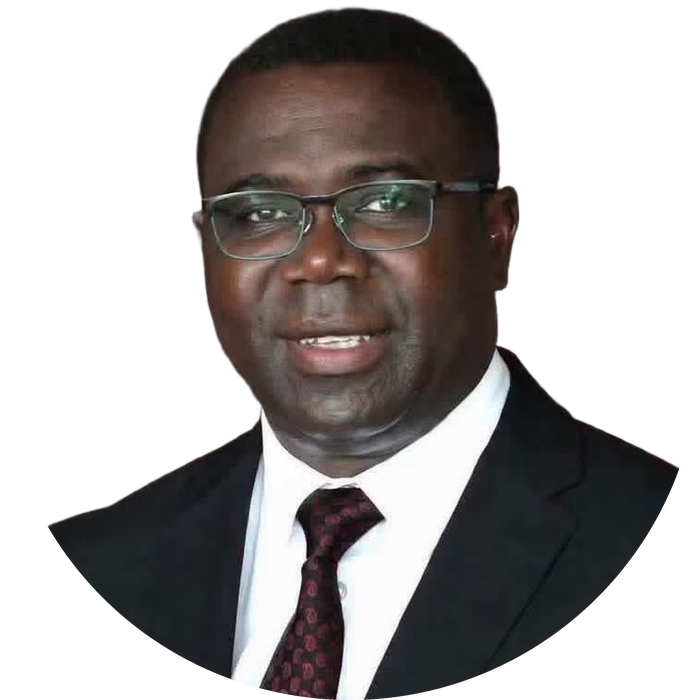
Hon. Prof. Roma Chilengi
Minister of Health
The Ministry aims to provide effective quality healthcare services close to the family as possible. This ensures equity of access to health service delivery and contributes to the human and socioeconomic development. The ministry also targets to attain Sustainable Development Goals on health and other national health priorities.
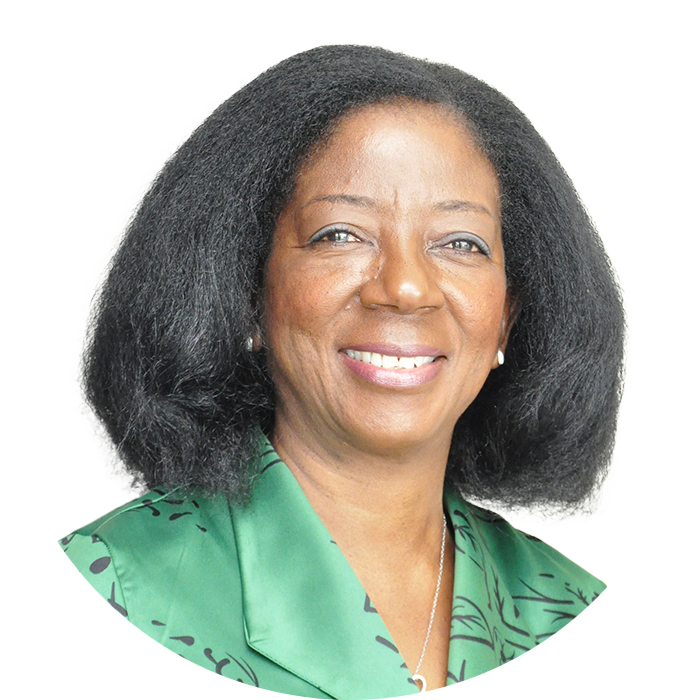
Dr Rosemary Kumwenda
Board Chairperson
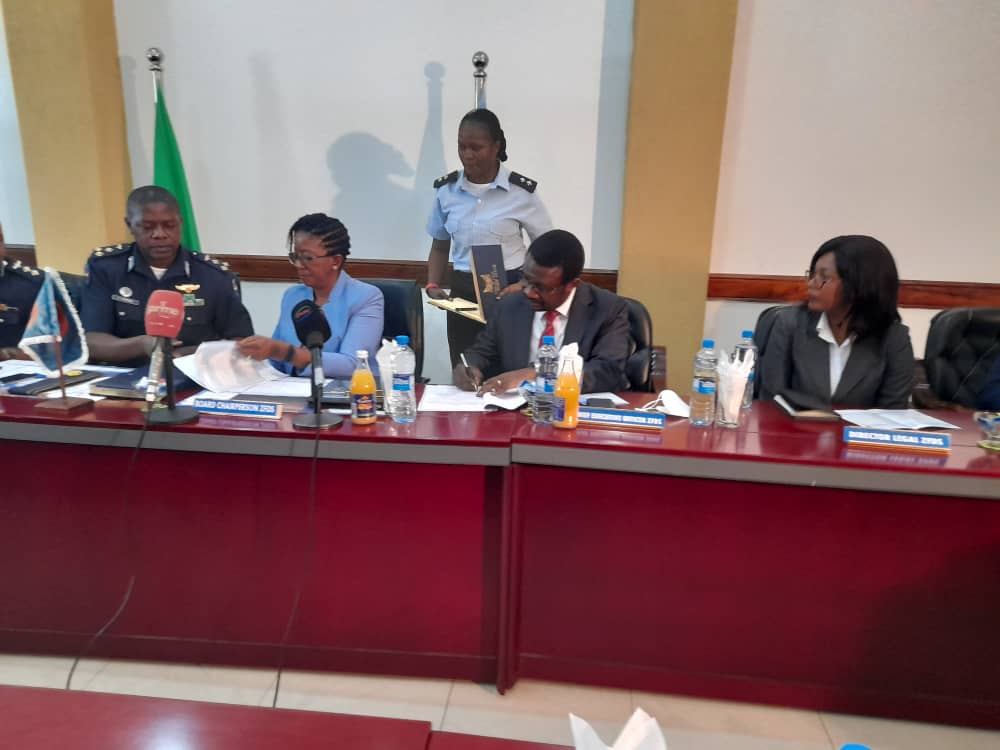
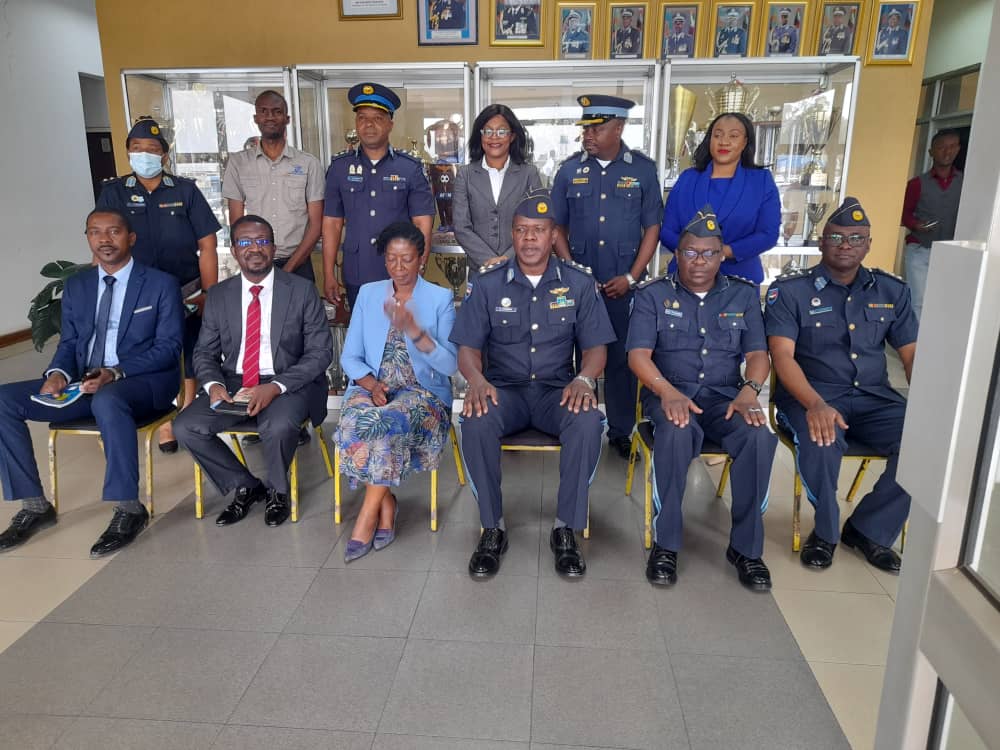
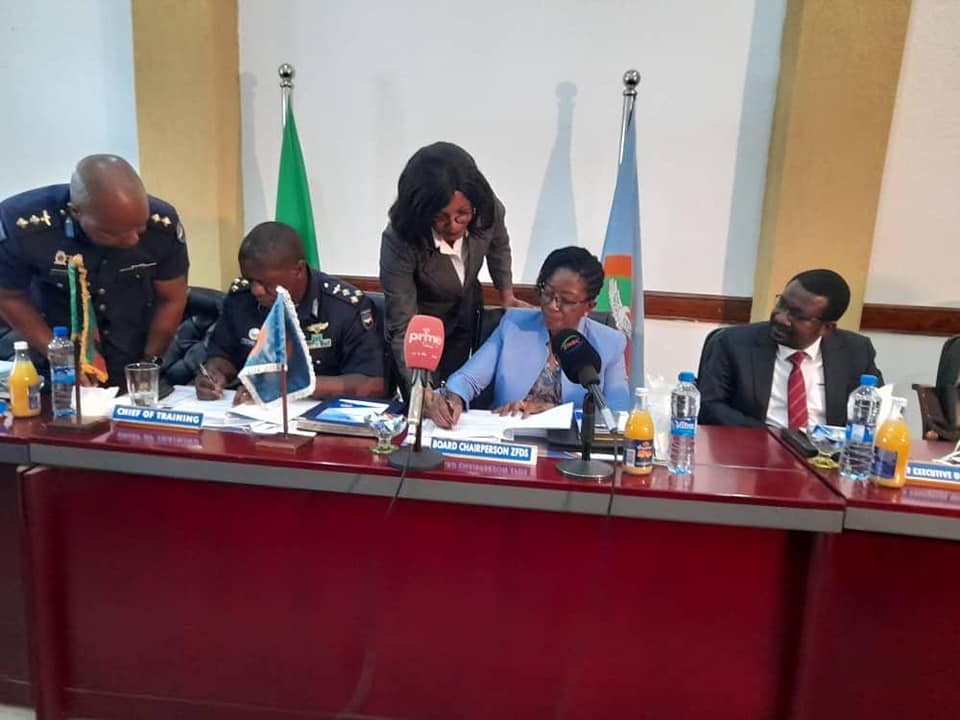
As part of our mandate, we must endeavor to reach out to all corners of the country inclusive of the hard-to-reach areas. To make this achievable in the shortest possible time, we signed a Memorandum of Understanding with the Zambia Air Force for enhanced support towards our activities. We, therefore, lay a challenge to all employees to up their game, while an assurance goes out to all Zambians that we shall endeavour to provide the best aeromedical services.
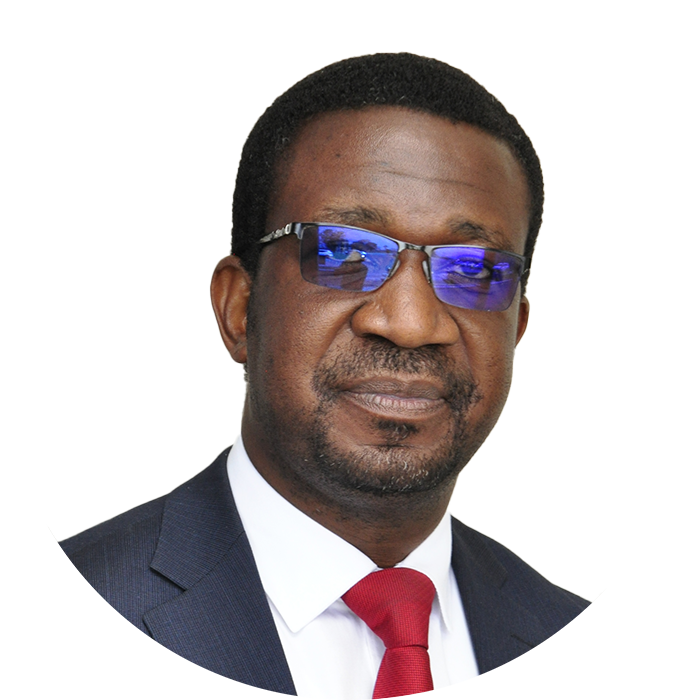
Dr. George Ng'uni
Chief Executive Officer
As we embark on a renewed journey of becoming the leading and preferred aero-medical service provider, our focus on provision of cost-effective, quality, and efficient aero-medical services to remote hard-to-reach areas and other places countrywide is key. This is the sure way to contribute to the improvement of the well-being of our fellow citizens. Clearly, there is inequitable access to basic health services in our country between provinces and between urban and rural areas. In urban areas, 99 percent of households are within 5 kilometres of a health facility compared to 50 per cent in rural areas.




Our Story
Zambia Flying Doctor Service
The Zambia Flying Doctor Service (ZFDS) is a grant-aided service delivery statutory board under the Ministry of Health (MoH) that was created under an Act of Parliament No 37 of 1967 with amendment No 18 of 1972 and repealed by act No 25 of 1975 Chapter 298 of the Laws of Zambia. It was founded by Dr. James Lawless in 1965. The FDS Act provides for the establishment, management and development of the Zambia Flying Doctor Service
Our Mission
To provide cost effective, quality and efficient aero-medical services in remote, rural and hard to reach areas and other parts of the country in order to combat human diseases and save lives
Make an impact.
Save lives.
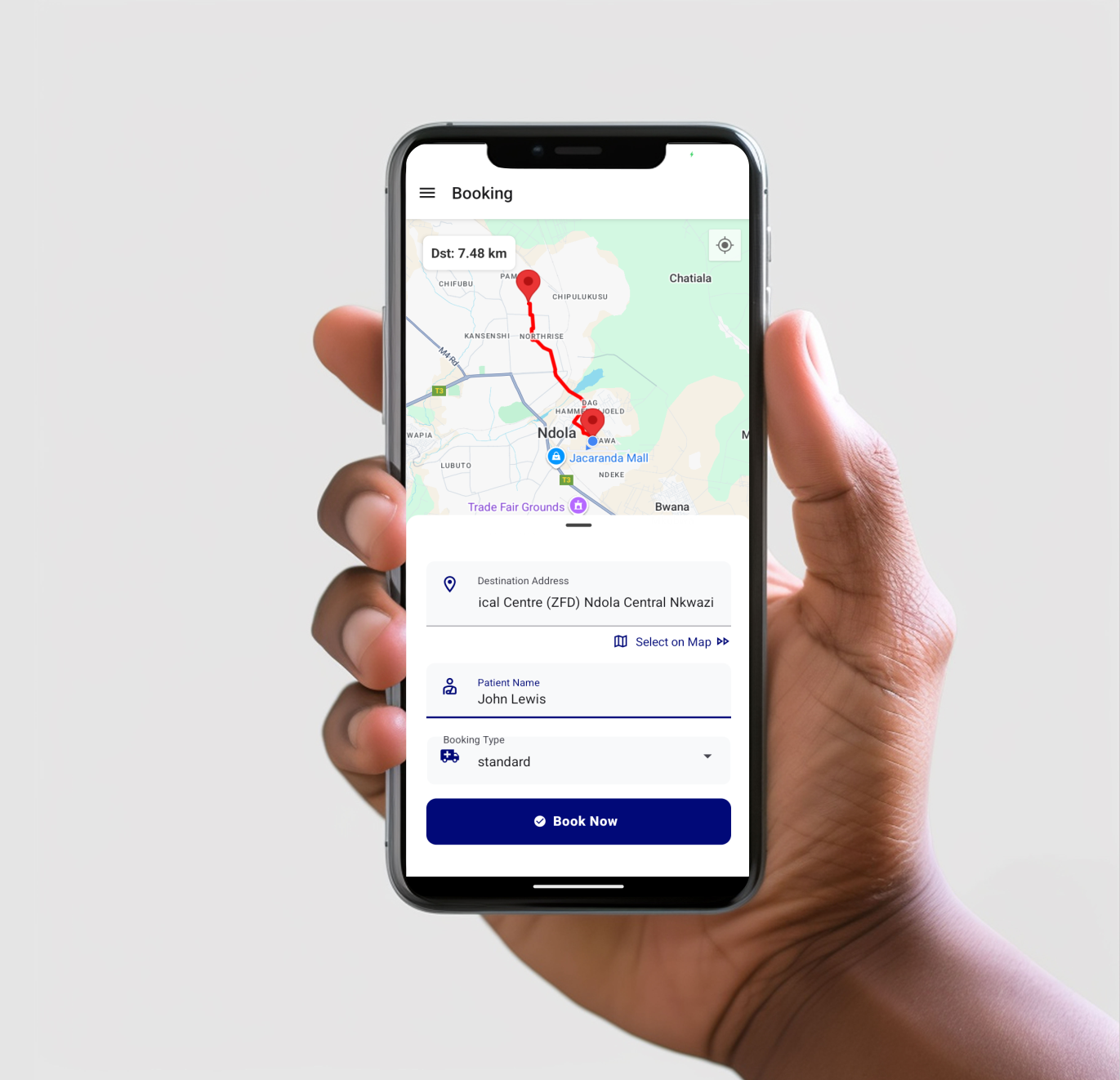
Emergency Assistance at Your Fingertips
Book ambulance services instantly with our user-friendly mobile application.
Instant Booking
Request ambulance in emergency situations in 3 easy steps
Real-Time Tracking
Live location tracking of dispatched ambulance
Verified Providers
Certified medical professionals on every call
Latest News
07 October 2026
06 October 2026
0 Comments
06 October 2026
0 Comments

Get in touch
Contact Infomation
Plot number 2965, Hangar No 1B at Zuze Airforce Base, Ndola.
(+260) 212-618228, 00212-613890, 0212611417/8
Get Direction
0 Comments